
Build an Omaha day around history and open space
Pair one cultural visit with a chosen park, a pause and a straightforward return to your base.
A museum and a park can give an Omaha day a pleasing change of pace. The combination works best when each part has a reason to be there, rather than when the map makes several places look easy to fit in. Choose the visit that matters most, then decide what would complement it. The second part might be a short outdoor interval, a meal or time to sit. Keeping that part flexible lets the day respond to interest and energy instead of becoming a sequence of departures.
Give the museum a proper place in the day
The Durham Museum occupies Omaha’s Union Station and presents regional history alongside changing exhibitions. Start with the museum’s own current visitor information and decide which aspect interests your group. You might want to focus on the building, the region’s past or a particular exhibition. That choice helps you avoid rushing through a place simply because something else has been added later. Check the practical information for your date before treating the museum as the fixed anchor of the day.
Agree on a meeting point if people will explore at different speeds, and decide where the group can pause afterwards. A visit often works better when everyone can give attention to what interests them without having to keep a shared pace through every room. If a particular facility or access arrangement matters, consult the museum directly about it. Keep the answer specific to the visit you are planning. General descriptions of a cultural venue do not replace current details about an entrance, service or event.
Choose one part of The RiverFront
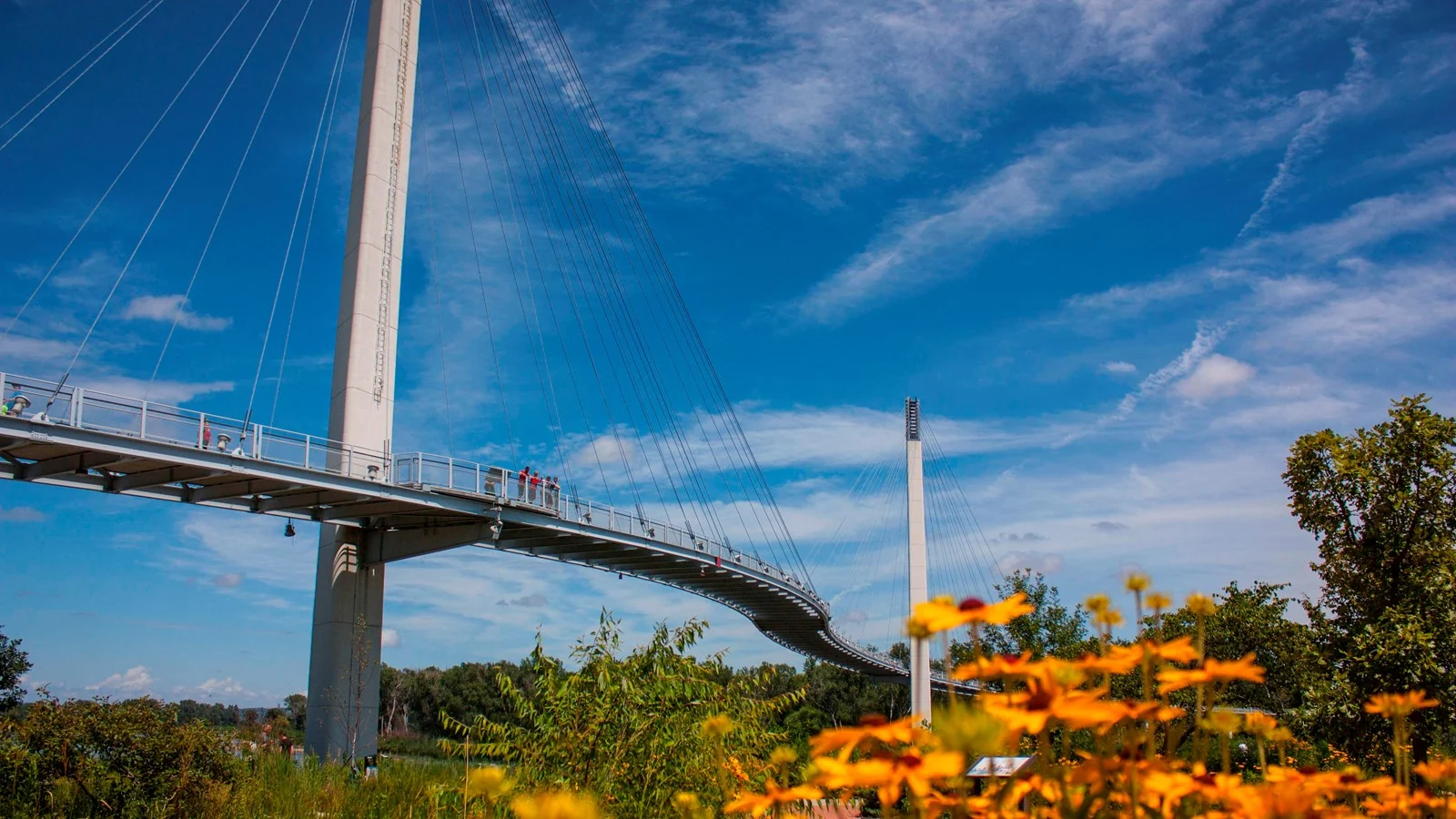
The RiverFront’s official site brings together three named parks: Gene Leahy Mall, Heartland of America Park and Lewis and Clark Landing. Use its map and visitor resources to choose the part you want to spend time in. The shared name is helpful for orientation, but you do not have to cover all three during one outing. Pick a destination that suits the group, then identify how you will reach it and where you want the outdoor portion to finish.
Treat the journey from the museum to the park as part of the plan, not as a blank line between two activities. Decide whether walking suits the route, conditions and people involved, or whether another connection would be more comfortable. Check the current access information where a specific feature matters. Leave the outdoor visit flexible enough to shorten or move when the weather changes. That way, a change in conditions does not force you to abandon the cultural visit that was the main reason for the day.
Make the pause useful
Include a meal or a place to sit at a point when the group is likely to welcome it. Choose the exact place using its own current information, rather than assuming every appealing option on a map will fit your visit. Think about where you will be before and afterwards so the pause does not create an unnecessary return journey. If you want to bring the Old Market into the day, our neighbourhood planning guide can help you choose a particular interest rather than adding an entire district to the itinerary.
Keep bags and purchases in mind when deciding the order. An outing that begins lightly can feel different once people are carrying things or need to return to the room. Agree when it would make sense to head back and whether everyone needs to do so together. A useful base makes it possible to change the rest of the afternoon without losing the value of the main visit. The goal is to enjoy two different kinds of place, not to prove that every possible connection can be completed.
Finish where the evening can begin easily
Choose a finish that supports the next part of the day: the room, an agreed meal or a clear transport connection. Keep the museum and park information handy, but leave room to stay longer where something catches your attention. If you finish with one place still unexplored, that is a choice rather than a failure of planning. For a wider view of how these interests affect the room search, use the Omaha stay guide to connect the day with a base that suits the whole visit.
Still comparing Build An Omaha Day Around History And Open Space?
Ask for tour ideas, hotel suggestions, or a simple trip plan that combines both.